Heating Ovens
Shanta Engineering is one of the leading Manufacturer and Exporter of a wide range of Testing Instruments and Equipments that are used to test rubber, plastic, cables and allied materials.
Our product range includes
- Laboratory Testing Equipment and accessories
- Cable Testing Instruments
- Testing Machines ( UTM, Impact Tester, Melt Flow Tester etc)
- Machines for agricultural application.
- Bespoke customizations to satisfy special requirements of our clients
Our range of products are manufactured as per different standards ISO, ASTM, IS, UL and as per customer requirements.
We Export all types of Laboratory Testing Equipments Globally in Middle East and African countries.
Middle East countries - Bahrain, Cyprus, Egypt, Iran, Iraq, Israel, Jordan, Kuwait, Lebanon, Oman, Palestine, Qatar, Saudi Arabia, Syria, Turkey, the United Arab Emirates, and Yemen.
African countries - Nigeria, South Africa, Kenya, Uganda, Ghana, Algeria, Egypt, Morocco, Togo, Libya, Zimbabwe, Sudan, Ethiopia, Mauritius
Heating Ovens
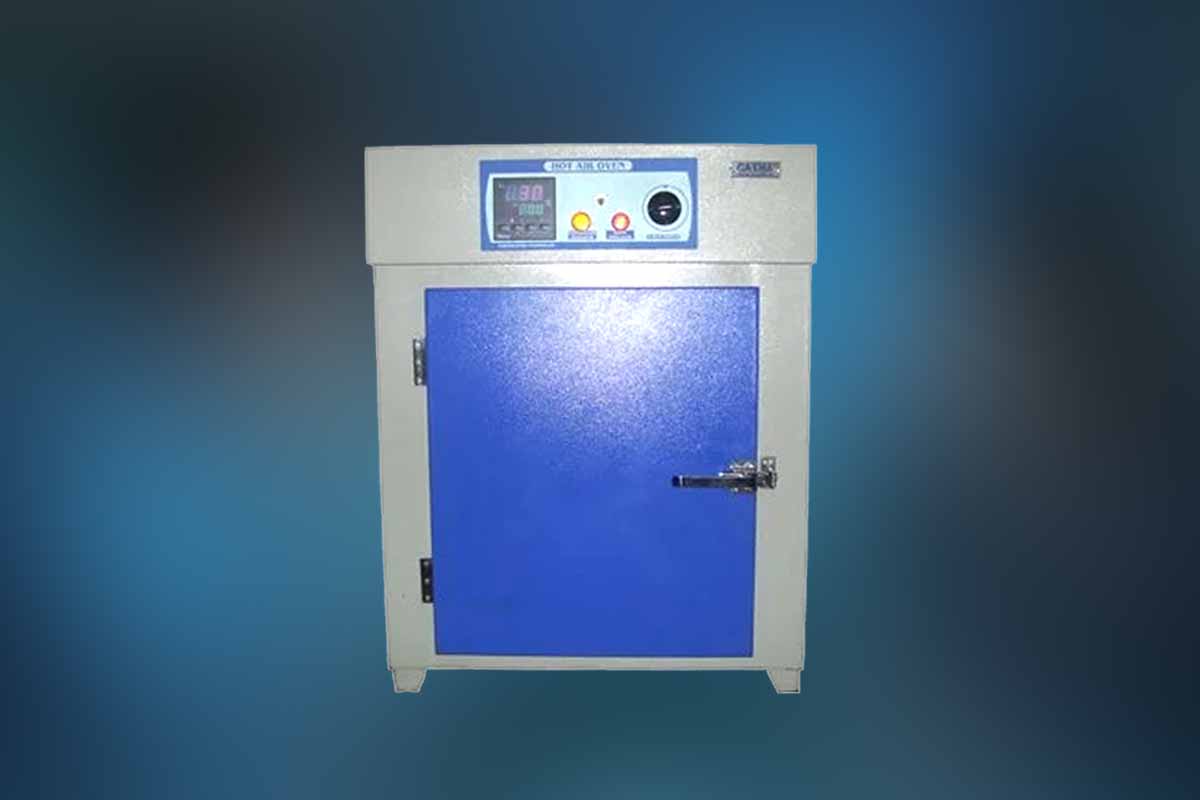
A Heating Oven (also called a Laboratory Hot Air Oven) is an equipment used to heat materials at controlled temperatures. It works using dry heat (hot air circulation) to remove moisture, sterilize, or dry samples.
In simple words is a heating oven is a machine that heats and dries laboratory samples using hot air.
Common Uses of Heating Ovens : Drying glassware (test tubes, beakers, etc.), Removing moisture from chemical samples , Sterilization of instruments using dry heat, Baking or curing materials, Heating samples for experiments , Temperature testing of various materials
Works process of Heating Ovens: Electric heaters warm the air, The oven circulates the hot air uniformly. ,The sample gets heated evenly at the set temperature.
Technical Specification of Heating Ovens
Capacity |
NA |
Oven Type |
NA |
Temperature |
NA |
Power Source |
NA |
Usage/Application |
NA |
Air-Flow Direction |
Duel Air Flow |
Features of Heating Ovens
- Adjustable Temperature Control : Temperature range usually from 50°C to 300°C (sometimes more). Digital controllers allow precise settings for experiments.
- Uniform Heat Distribution : Uses forced-air circulation or natural convection to ensure even heating throughout the chamber.
- Digital Display Panel : Shows set temperature, current temperature, and sometimes timer and alarm status.
- High-Quality Insulation : Thick insulation minimizes heat loss and reduces power consumption.Keeps exterior surface cool.
- Stainless Steel Inner Chamber : Rust-proof and easy to clean. Suitable for both biological and chemical applications.
- Safety Features : Over-temperature protection. Auto shut-off in case of sensor failure. Door lock for safety.
- Timer Function : Allows setting duration for drying, heating, or sterilization.
- Adjustable Shelves : Removable and height-adjustable shelves for various sample sizes.
- Durable Outer Body : Usually made of powder-coated mild steel to resist corrosion.
- Air Ventilation Control : Adjustable air vents for controlling moisture removal and airflow.
- Energy Efficient Heating Elements : Provides quick heating and stable temperature.
- Available in Various Capacities : Small benchtop models to large industrial units depending on need.
Features of Heating Ovens
- Precise Temperature Control : Heating ovens provide accurate and stable temperatures (usually 50°C–300°C), which is essential for scientific experiments.
- Uniform Heat Distribution : They maintain even heating throughout the chamber, ensuring consistent drying, curing, and heating of samples.
- Safe Drying of Samples : Ideal for removing moisture from glassware, chemicals, soil, biological samples, and other materials without direct flame.
- Sterilization & Decontamination : Dry heat sterilization is possible for metal tools, glassware, and heat-resistant materials.
- Versatile Applications : Used for drying, baking, annealing, curing, evaporating solvents, and conducting stability tests.
- High Safety Compared to Open Flame : Reduces fire hazards as it uses controlled electrical heating instead of burners.
- Energy Efficient : Modern ovens have insulation and auto-cut features that reduce power consumption.
- Time Saving : Faster drying and heating compared to natural air drying.
- Controlled Environment : Allows experiments to run with minimal contamination and external disturbances.
Large Capacity : It Can hold multiple samples at once, increasing workflow efficiency.
Applications of Heating Ovens
- Drying of Samples : Heating Ovens is used to remove moisture from glassware, chemicals, and samples and it is essential for preparing samples before weighing or analysis.
- Sterilization : Heating Ovens is used to sterilize instruments, metal tools, and glassware using dry heat.
- Baking & Curing : Heating Ovens are used for curing chemicals, powders, adhesives, coatings and helps in setting resins or polymers.
- Annealing & Heat Treatment: Heating Ovens is used to heat-treat metals, glass, and materials to change hardness and structure.
- Evaporation of Solvents: Heating Ovens helps evaporate solvent from samples at controlled temperatures.
- Sample Preparation : Pre-treatment of samples before chemical analysis or testing.
- Quality Control Testing : Used in industries for uniform heating tests on plastics, rubber, textiles, and chemicals.
- Stability Studies : Some ovens maintain constant temperature for long-term stability testing.
- Melting & Softening Tests : Used for determination of melting/softening points of materials like wax, polymer, etc.
Ashing of Samples (in high-temperature ovens) : Used to remove organic content, leaving inorganic ash residue.